Frequently Asked Questions
1. When is the best time to visit Churchill, Manitoba in summer?
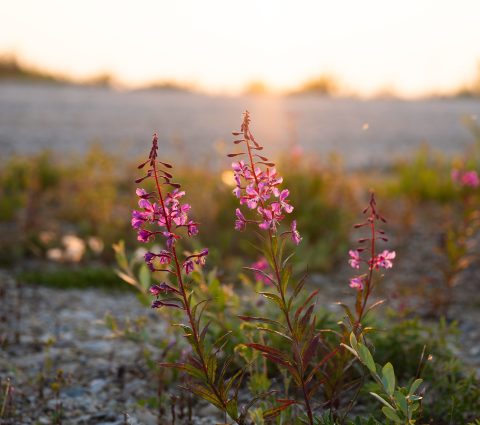
July and August are the peak summer months in Churchill, when beluga whales flood the Churchill River Estuary, wildflowers blanket the tundra, and the days are long and mild, with some tour options extending into early September.
2. What wildlife can visitors expect to see in Churchill during summer?
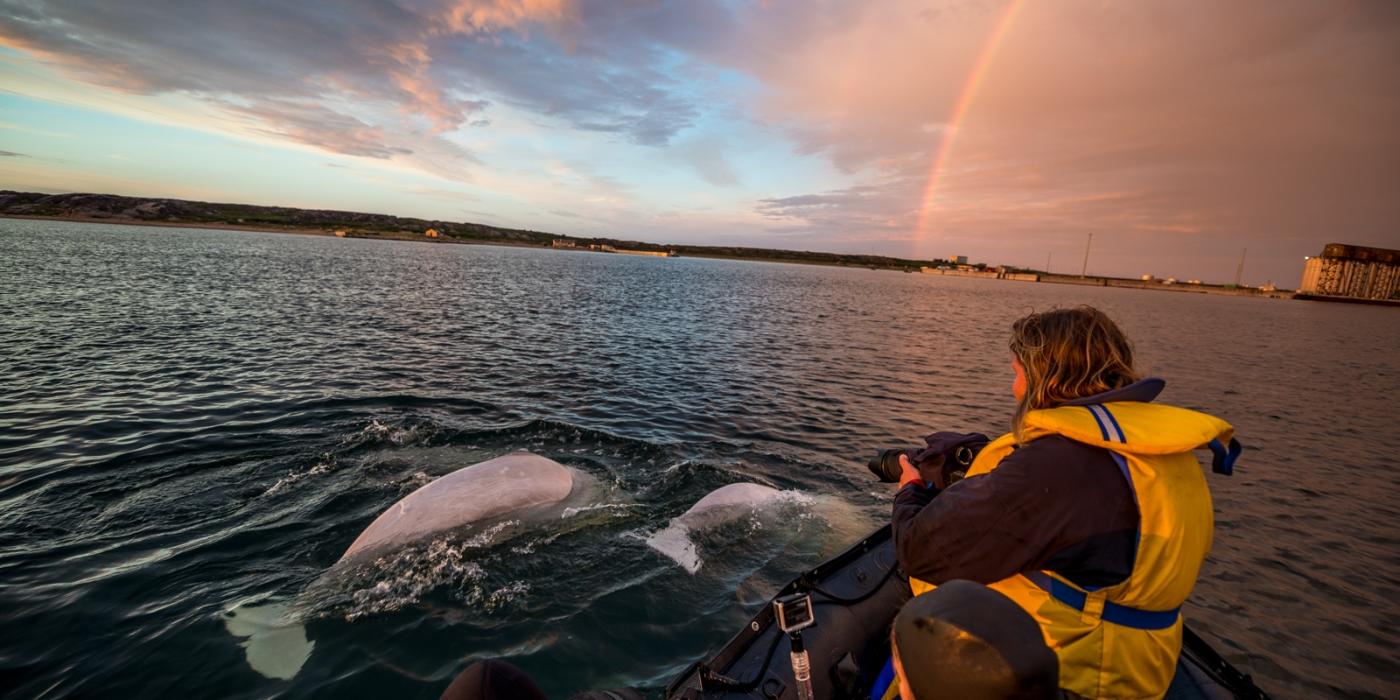
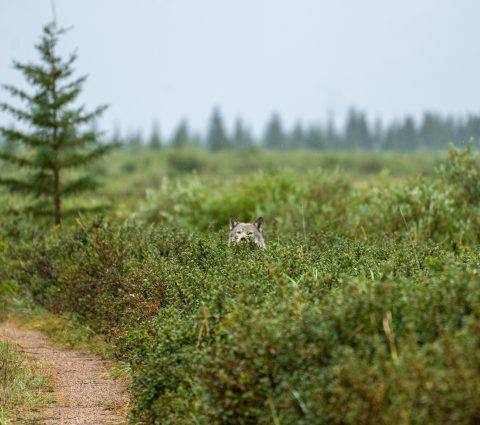
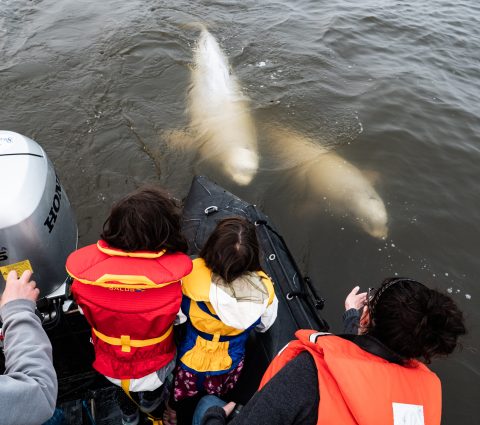
Around 57,000 beluga whales travel to Hudson Bay each summer to feed and give birth, with approximately 4,000 entering the Churchill River Estuary. Polar bears can also be spotted in summer, lounging on shorelines and roaming through vivid blooms of fireweed. Additional sightings may include caribou, arctic fox, snowy owls, and a variety of subarctic birds.
3. Can I drive to Churchill? How do visitors get to Churchill?
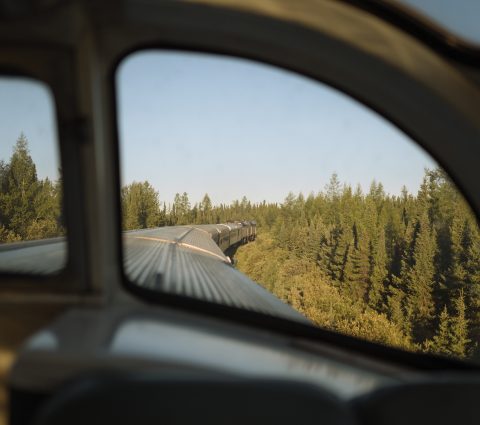
By air, Calm Air offers flights from Winnipeg to Churchill in approximately two hours. By rail, VIA Rail departs Winnipeg every Sunday and Tuesday, arriving roughly 48 hours later, with many travellers combining a one-way train trip with a return flight.
4. What water-based activities are available for seeing beluga whales?
Several guided options exist for getting close to the belugas: kayaking excursions through Lazy Bear Expeditions, Natural Habitat Adventures, Frontiers North Adventures, Churchill Northern Studies Centre, Nanuk Operations and Sea North Tours, stand-up paddleboarding with Sea North Tours, Beluga AquaGliding™ through Lazy Bear Expeditions, and Zodiac or boat tours bookable with Natural Habitat Adventures, Frontiers North Adventures, Churchill Northern Studies Centre, Nanuk Operations, Red White & Blue Getaways and Sea North Tours.
5. Is it safe to explore Churchill's wilderness independently?
No, it's not safe to explore Churchill and the surrounding area without an experienced guide, as the region is polar bear country requiring a guide at all times. Even travellers not on a package tour will need to book guided excursions to safely experience Churchill's wilderness.
6. Can I see polar bears, beluga whales and northern lights on one trip?
It's possible, but timing and prioritization is key.
- Summer (July to August): This is the prime season for prioritizing beluga whale watching in Churchill. While polar bears are not as concentrated as in the fall, it’s sometimes possible to spot bears along the coast or on summer tundra tours. The northern lights can also appear during the summer.
- Fall (October to early November): This is the best time to prioritize seeing polar bears as they gather along Hudson Bay. The nights are long and dark enough for northern lights viewing but fall weather and cloud cover often make seeing them a rare treat. The beluga whales will have also migrated out by this time.
- Winter (January to March): This is the best time to prioritize northern lights, but polar bears are out on the ice hunting and belugas are not present.
7. What should I pack for a summer trip to Churchill?
Churchill's subarctic climate can change quickly, so layering is essential even in July and August. Plan for warm sunny afternoons and cold, windy evenings in the same day, especially when near the coast of Hudson Bay. Key items to bring include:
- Waterproof, windproof outer layers
- Warm mid-layers (fleece or down)
- Sturdy, waterproof hiking boot
- High-quality bug repellent
- Sunscreen, sunglasses and a hat
- Binoculars for wildlife watching
- A good camera with extra batteries
If you're booking water activities like kayaking or paddleboarding, operators typically provide wetsuits or drysuits, but confirm with your specific tour operator ahead of time.
8. Is there reliable cell service or WiFi in Churchill?
Cell service in Churchill is limited and can be patchy, particularly outside of the town site. Most hotels and lodges offer WiFi, though speeds may be slower than what urban travellers are used to. It's worth downloading offline maps and any essential travel documents before you arrive.
9. Are there opportunities to engage with local Indigenous communities and culture?
Yes, and these experiences are among the most meaningful a visitor to Churchill can have. The region has deep Indigenous roots: the Sayisi Dene, Cree and other peoples have lived in and around this area for thousands of years.
Dene Routes, owned by Florence Hamilton, offers two guided cultural experiences: A Taste of Sayisi Dene History and a Caribou Hair Tufting Experience, the latter being a traditional Indigenous art form. These are bookable as DIY excursions and are often part of a pre-existing package with a tour operator. The experience offers a rare, intimate window into Dene heritage and storytelling.
The
Itsanitaq Museum also provides important cultural context, housing one of the world's finest collections of Inuit carvings and artifacts dating back to Pre-Dorset times around 1700 BC.
When engaging with Indigenous-led experiences, travellers are encouraged to approach with respect, curiosity and an openness to listening, these are not performances, but living cultural traditions shared generously with visitors.