Louis Riel in Winnipeg: Where to Learn About Manitoba’s Founder

Posted: February 11, 2026 | Author: Allison Dalke | Estimated Read Time: 6 minutes

Every third Monday in February, Manitobans pause to recognize Louis Riel Day. It is a moment to reflect on the Métis leader whose vision, resistance and negotiation helped shape the province. But Louis Riel’s story is not confined to a single date on the calendar. Across Winnipeg, monuments, museums and historic sites invite visitors to learn about his life and legacy year-round.

Who Was Louis Riel?

Born in 1844 in what is now the St. Boniface neighbourhood of Winnipeg, Louis Riel became a central leader of the Métis during the nineteenth century, advocating for land rights, language and cultural recognition at a time of rapid political change in Rupert's Land (which would later become Manitoba and the Northwest Territories).

Riel led the Red River Resistance of 1869–70, which resulted in the formation of a provisional government. Through negotiation with the Canadian government, that provisional government secured Manitoba’s entry into Canadian Confederation in 1870. Thanks to Louis Riel, Manitoba was the first western province to join.

For many years, Riel’s legacy was debated nationally. Today, he is widely recognized for his leadership and for defending the rights of Métis and francophone communities. In March 1992, the Canadian government formally acknowledged Louis Riel as the founder of Manitoba and a Father of Confederation, and in 2023, he was officially recognized as Manitoba's first premier.

Exploring Louis Riel's Story in St. Boniface

St. Boniface is the starting point for learning about Louis Riel. This vibrant and historic neighbourhood remains a cultural centre for francophone and Métis communities in Winnipeg.

Université de Saint-Boniface: A Contested Portrait

On the grounds of Université de Saint-Boniface, visitors will find one of Winnipeg’s most striking depictions of Louis Riel. Created in 1973 by artists Marcien Lemay and Étienne Gaboury, the sculpture presents Riel in a raw and emotional form.

The figure is partially enclosed by two curved structures, symbolizing the opposing forces that shaped his life, often interpreted as French and English influences. Originally located on the Manitoba Legislative Building grounds, the statue was relocated to the university in 1995, where it continues to prompt reflection and discussion.

Saint-Boniface Cathedral Cemetery

Less than a block away is Saint-Boniface Cathedral Cemetery, where Louis Riel is buried. His grave is located near the northern edge of the cemetery, marked with a plaque that outlines his life and legacy.

Each year on November 16, the anniversary of Riel’s death, a commemorative gathering takes place at the site. During the summer months, visitors can also explore the cemetery as part of guided cathedral tours offered through Le Musée de Saint-Boniface Museum. These tours share stories of Riel alongside the architectural history of the cathedral (Check their website for tour availability before visiting).

Tourisme Riel offers a variety of tours to help you fully immerse in the area's rich history. Contact them directly to learn about their augmented reality and guided tours.

Métis History in St. Boniface

Le Musée de Saint-Boniface Museum is an essential stop for anyone seeking to understand Louis Riel’s life within the broader story of Manitoba’s founding.

Housed in one of Winnipeg’s oldest buildings, the museum was once a Grey Nuns convent and later served as a hospital and school. Today, it features exhibits that explore francophone and Métis history in the province.

A permanent exhibit dedicated to Louis Riel includes artifacts connected to his life and legacy, offering insight into both his personal story and his political impact.

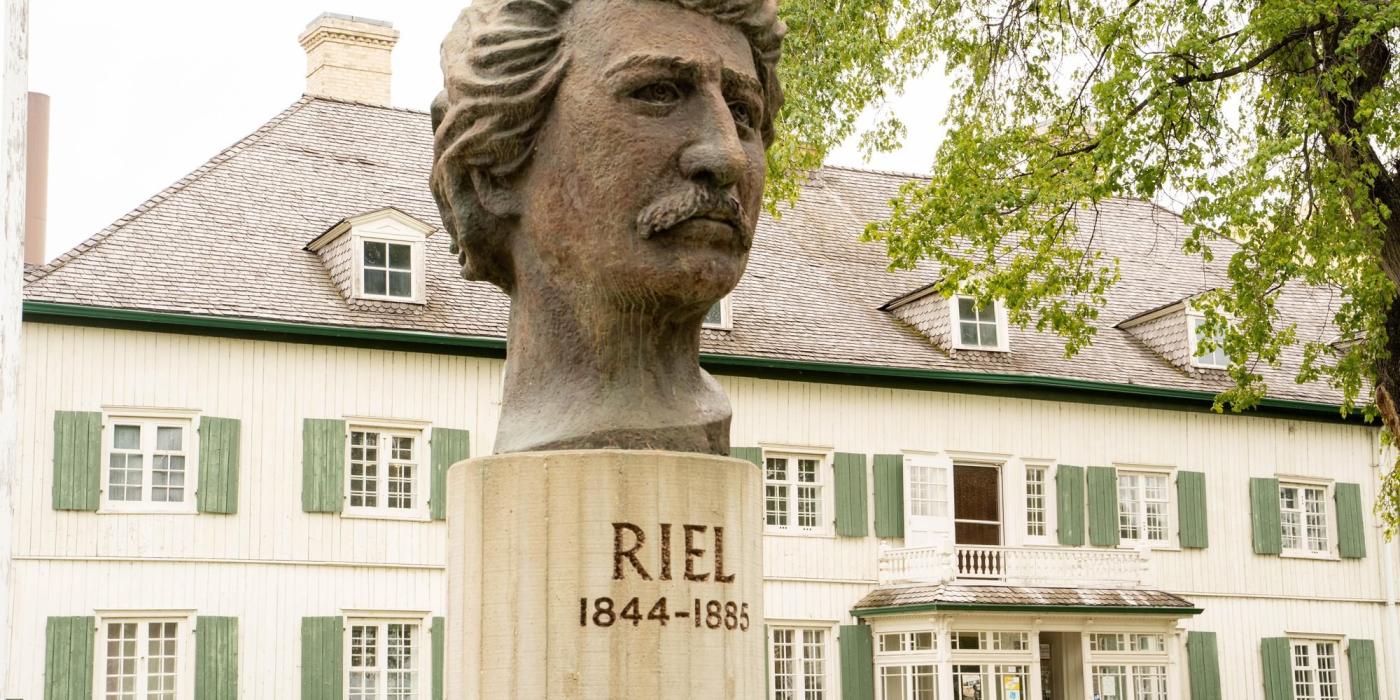
Just outside the museum, visitors can pause on the lawn to see a bronze bust of Riel created by Franco-Manitoban artist Réal Bérard in 1989. This depiction presents Riel with a calm confidence, adding another perspective to the varied ways he has been represented in Winnipeg.

A few blocks north, the Saint Boniface Heritage Gardens honour influential figures in Franco-Manitoban history, including Louis Riel. Created in 2018 by Métis artists Janelle Fillion and Candace Lipischak, the gardens provide a thoughtful space for reflection.

On the Banks of the Red and Assiniboine Rivers

Winnipeg’s rivers have long been places of gathering, trade and resistance. Several key sites along their banks help tell Louis Riel’s story.

The Forks National Historic Site

After crossing the Esplanade Riel to The Forks National Historic Site, visitors arrive at a place where people have gathered for more than 6,000 years. During the fur trade era and the events of 1869, this area became a focal point of political tension and change.

Interpretive signage and public art at The Forks provide context for the Red River Resistance and Riel’s leadership during this pivotal period. Stop in at the Agowiidiwinan Centre or take a tour with Turtle Tours to learn more about Indigenous culture and heritage at The Forks and throughout the province.

In the summer, take a guided tour with Winnipeg Waterways for a river view of notable Louis Riel landmarks.

Upper Fort Garry Provincial Park

Just across Main Street is Upper Fort Garry Provincial Park, where the remaining stone gate marks the entrance to what was once a major fur trade fort. The Heritage Wall, completed in 2016, traces the original fort’s west wall and features etched imagery that illustrates the history of western Canada.

Among those images are moments tied to Louis Riel and the decision that brought Manitoba into Confederation, making this a meaningful stop for understanding the political landscape of the time.

Manitoba Legislative Building Grounds

A short distance away, the Manitoba Legislative Building grounds feature another statue of Louis Riel, created by artist Miguel Joyal in 1996. Here, Riel is portrayed standing tall and resolute, reflecting his recognition as a Father of Confederation.

Following Louis Riel’s Legacy Beyond Downtown

Riel’s story continues in neighbourhoods beyond Winnipeg’s core, where key events in Métis resistance took place.

Riel House National Historic Site

In St. Vital, Riel House National Historic Site preserves the home of Louis Riel’s family. Although Riel lived here only briefly, the house belonged primarily to his mother and dates back to the 1880s.

Built in the Red River frame style, the house now operates as a seasonal museum. Costumed interpreters share stories of daily life in the nineteenth century and provide historical context for Riel’s later leadership. (Open seasonally. Check hours before visiting).

St. Norbert and the Start of Resistance

Further south in St. Norbert, a monument marks the location where Métis people halted Canadian surveyors in 1869 by building a three-foot-tall wood barrier blocking the Pembina Trail crossing. This action became the starting point of the Red River Resistance and eventually led to negotiations that created the Manitoba Act that officially declared Manitoba a province.

La Barriere Park in St. Norbert is named after its this historical moment of resistance.

Why Louis Riel’s Story Still Matters

From St. Boniface and St. Norbert to the Legislative grounds and The Forks, Winnipeg offers many opportunities to engage with Louis Riel’s legacy. These places invite visitors to consider the foundations of Manitoba, the importance of Métis resistance and the ongoing impact of Riel’s leadership.

Whether visiting on Louis Riel Day or at another time of year, exploring these sites offers a deeper understanding of Manitoba’s past and the people who shaped it.

You May Also Like

Culture and Community: Jeudis Franco Thursdays in St. Boniface

Jeudis Franco Thursdays happens every Thursday during the summer with activities throughout the entire day. The best part of it all? You can choose your own adventure.
History, culture and food: a day in the Riel Region

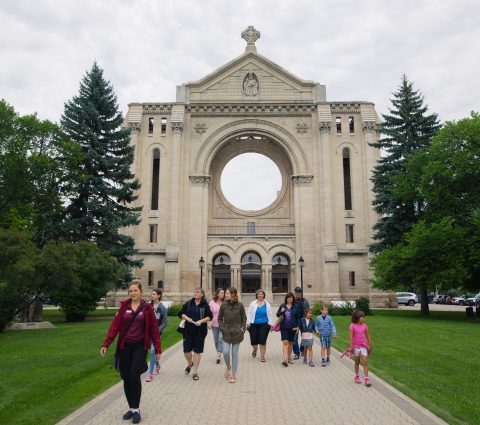
From start to finish, morning to night, the Riel Region delivers on history, culture, delicious eats and friendly faces. A day trip through the Riel Region will take you from the birthplace of Manitoba through its fur trade era to experiencing today’s...
The Windows, Walkways, and Walls of the Riel District

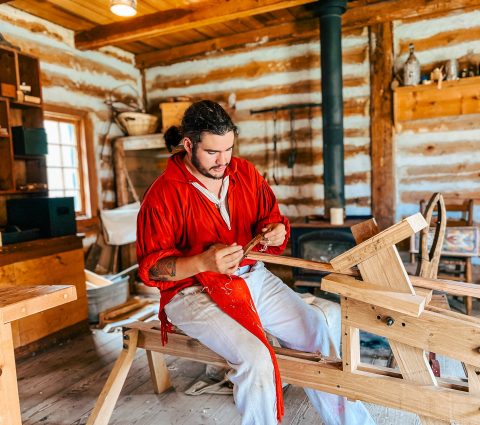
If windows, walkways, and walls could speak, what would they say? Imagine the words they have heard, the things they have seen, and the people they have met. Step back in time to the heart of humble and hard working history that is the Riel District....

Beyond central St. Boniface: exploring Norwood and Old St. Vital

How long has it been since you explored a neighbourhood other than your own? Add some adventure into your weekend as we guide you through some of Winnipeg's best neighbourhoods. This blog post features businesses in the Norwood and Old St. Vital areas.

About The Author

Hey! I'm Allison, outdoor adventurer and book lover. When I'm not writing, you'll find me hiking, skating or skiing Manitoba's trails. Have a story idea? Contact me!

Team Lead, Marketing – Content