Our French website is currently being updated and some content is appearing in English instead of French. We are working to resolve this quickly. Thank you for understanding.

More Info

9 Fascinating Facts about Polar Bears

Posted: December 03, 2025 | Author: Allison Dalke

There’s something magical about Churchill.

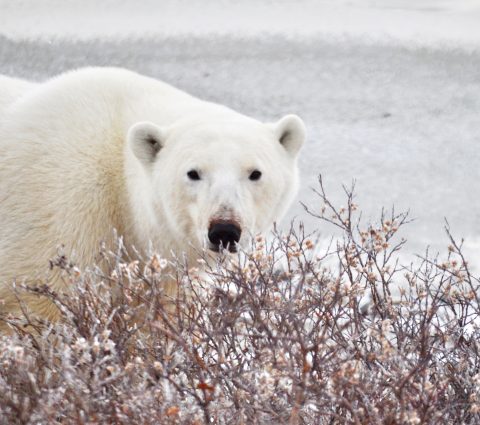
Polar bear walking across the snowy tundra near Churchill, Manitoba.
Credit: Liz Tran


Maybe it’s the soft crunch of snow, maybe it’s the way the horizon never seems to end…or maybe it’s knowing you’re in a place where, on some days, polar bears outnumber the people. If you’ve ever wondered what life is like for these iconic mammals who call Manitoba’s subarctic home, you’re in the right place. These nine fun and fascinating facts offer a closer look at their world and hopefully will even inspire your own adventure to the Polar Bear Capital of the World.

1. Churchill is one of the best places to see wild polar bears

Churchill is famous for a reason. Each autumn, hundreds of polar bears gather along the western coastline of Hudson Bay right on the edge of the town waiting for the sea ice to return. That seasonal pause and proximity to Churchill makes October and November prime months to see them. While polar bears do wander into town from time-to-time, going on a guided tour of the Churchill Wildlife Management Area is the safest way to view them. When you book with a licensed operator, you’ll board a tundra vehicle that's high enough a polar bear can't reach and built for traversing the unique landscape with minimal impact. The heated interior and large windows make watching for polar bears a comfortable experience. And once you spot one? It’s surreal, humbling and a little heart-thumping in the best way.

Tip: Check out the Churchill Bear Smart website for more safety tips for a safe visit to Churchill during peak polar bear season.

2. Polar bears rely on sea ice for survival

Polar bears use the sea ice to reach their primary prey – the ringed and bearded seals that have made the chilly waters of Hudson Bay their home. When the ice melts in summer, bears conserve energy on land until freeze-up. But as the climate warms, the timing of that freeze-up and break-up is shifting. Later ice formation in autumn and earlier melting in spring means bears have less time on the ice to hunt, which affects their health and is one of the reasons the species is considered vulnerable.

3. A polar bear’s sense of smell is extraordinary

A polar bear can detect a seal’s breathing hole from more than a kilometre away - they truly have the nose that knows! This powerful sense of smell helps bears locate prey under thick snow and ice and is part of what makes them such effective hunters. On guided tours, you’ll sometimes see a bear pause, lift its head and take a long sniff of the wind. It looks casual, but it’s actually one of the most finely tuned hunting tools in the animal world.

4. Polar bears don't hibernate

Surprise! Polar bears are not true hibernators. Because they depend on sea ice for hunting, they stay active through the colder months, travelling across the frozen bay in search of seals. The exception is expectant mothers. Only mother bears enter a “light hibernation” where their metabolism slows down enough to conserve energy while also allowing them to care for their cubs during the winter months.

5. Don’t mess with mama

Mother bears are incredible. They dig deep snow shelters called maternity dens and give birth in the coldest, darkest months of the year. Most litters have two cubs and, when the family emerges in early spring, those little ones rely on mom for more than two years as they learn everything from finding food to navigating the subarctic landscape. When you see a mother and cubs on the tundra in late autumn, the cubs are often still in their “shadowing mom” phase: always nearby, always learning.

6. Polar bears are excellent swimmers

Despite their size, polar bears are surprisingly graceful in water. Their huge front paws act like paddles, helping them glide across long distances. These long swims are becoming more common as sea ice disappears more quickly in a warming climate, but watching a bear move effortlessly through icy water is still a remarkable sight.

7. Their white coat isn’t actually white

Polar bears are full of surprises. Their fur only looks white because each hair is hollow and translucent, scattering the light as each hair strand reflects visible light. Underneath, their skin is actually black, which helps absorb warmth from the sun. Between the double layer of fur and a thick layer of blubber, they’re built for temperatures that would have most of us reaching for another layer. You could say they’re wearing the ultimate Manitoba winter jacket.

8. Polar bear research in Churchill is world-leading

Churchill is home to Polar Bears International, a global leader in polar bear science and conservation. Their team operates Tundra Buggy One: an electric-powered research vehicle on permanent loan from Frontiers North Adventures. It’s quieter and produces fewer emissions than traditional vehicles, meaning its less disruptive to polar bears while navigating the Churchill Wildlife Management Area. Their Tundra Connections webcasts and 24/7 polar bear cam let people around the world follow the bears’ seasonal movements.

If you’re visiting Churchill, you can stop by Polar Bears International House. The centre offers public tours, interactive exhibits and fresh insights into polar bear science. It’s a great way to deepen your understanding of what’s happening in Churchill and why conservation matters.

9. Responsible tourism makes a real difference

Every respectful visit supports conservation and the community. Licensed operators follow strict guidelines for safe bear viewing and keep a healthy distance to avoid disturbing wildlife. Frontiers North Adventures uses electric-powered tundra vehicles and Churchill Wild offers walking safaris that further reduce impact on the landscape. Choosing guided tours helps protect bear habitat, supports local jobs and keeps both travellers and wildlife safe.

Plan your polar bear adventure

Ready to experience next year's polar bear season yourself? Learn more about the different tour packages available from each operator:

Not sure where to start? Read more about polar bears to help you plan your journey to Churchill.

You May Also Enjoy

The ULTIMATE Guide to Polar Bear Season in Churchill, Manitoba

Wildlife enthusiasts know that Manitoba is one of the most magical places in the world to visit in the autumn months. And it's not for the wicked fall foliage. 1000 kilometres north of capital city Winnipeg lies the northern port town of Churchill, made...
A Churchill calendar: When to see what

Churchill, an isolated town in Manitoba’s north along the Hudson Bay coastline, is a magnet for outdoor adventurers and nature lovers. Experiencing Churchill’s natural wonder triumvirate – kayaking with belugas, chasing the Northern Lights and seeing...

A Photographer's Paradise: A First Timer's Trip to Churchill

A picture-perfect photographer's paradise lies in the far stretches of one of Canada's most unique provinces. Here's a heartfelt recap of a first-time experience in Churchill, showcasing the allure of this remarkable destination. It's a place where the...
Travelling to Churchill: How to Reach Northern Manitoba on a Budget

When people hear about travelling to Churchill, their first reaction is “I would love to go one day but it’s so expensive to fly there”. And that’s true. Flights are not cheap. But there is a far more reasonable way to get to the polar bear capital of the...

About The Author

Hey! I'm Allison, outdoor adventurer and book lover. When I'm not writing, you'll find me hiking, skating or skiing Manitoba's trails. Have a story idea? Contact me!

Team Lead, Marketing – Content