Our French website is currently being updated and some content is appearing in English instead of French. We are working to resolve this quickly. Thank you for understanding.

More Info

10 Indigenous Experiences to Have This Season in Manitoba

Posted: October 14, 2025 | Author: Allison Dalke

Make a plan to connect with the first peoples of the place we all call home through art, history, discussion and exploration.

A visit to Manitoba means travelling through Treaty 1, 2, 3, 4 and 5 Territory and through communities who are signatories to Treaties 6 and 10. It encompasses the original lands of the Anishinaabeg, Anish-Ininiwak, Dakota, Dene, Ininiwak and Nehethowuk and the homeland of the Red River Métis. To learn more about Manitoba's Treaty areas, click here.

Home to the largest public collection of contemporary Inuit art in the world, and natural wonders that will move you to the core, Indigenous experiences are abundant in Manitoba. Make this the season you adventure into a greater understanding of our shared histories and unique cultures.

Immerse in history, culture and art

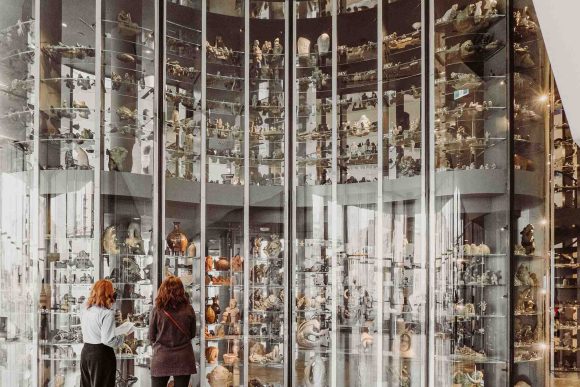
Two people viewing the Visible Vault of Inuit art at Qaumajuq.
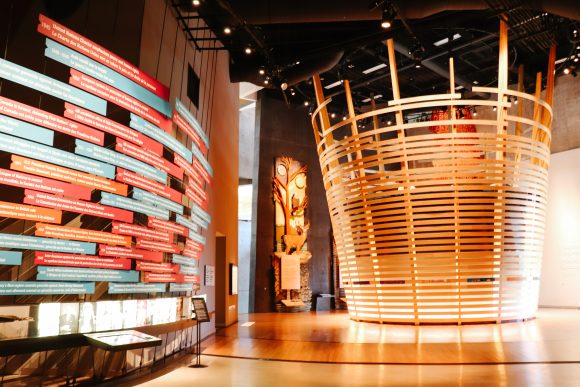
Canadian Museum for Human Rights Indigenous Perspectives gallery 360‐degree basket theatre

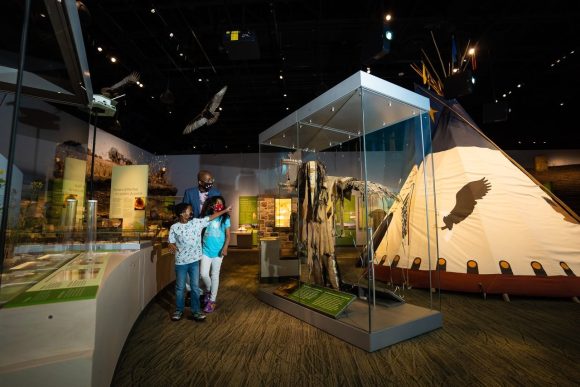
Manitoba Museum Prairies Gallery
A visit to the Prairies Gallery at the Manitoba Museum will have you leaving with a greater understanding of the prairies, Indigenous cultures and the stories told in our landscape. With interactive displays and familiar iconic elements such as the tipi and the Red River cart, the Prairies Gallery is a place that helps us understand the defining landscape of Manitoba, and the people, plants and animals who live here. A layered timeline of history explores connections to the land across thousands of years.

Canadian Museum for Human Rights Indigenous Perspectives Gallery
The Indigenous Perspectives Gallery at the Canadian Museum for Human Rights is a dramatic space that tells the story of First Peoples. The dedicated gallery is complex, sometimes uncomfortable and always beautiful, but it’s not the only place where Indigenous stories are told. Throughout the museum, the history of colonial violations collides with stunning artworks and thought-provoking images to offer a modern and ever-evolving perspective of human rights. Give yourself some time here to do a deep dive into the diverse range of lived experiences by Indigenous Peoples and prepare for unexpected revelations.

Qaumajuq
As the largest public collection of contemporary Inuit art in the world, Qaumajuq at the Winnipeg Art Gallery holds 14,000 carvings, drawings, prints and textiles that tell the story of the people of the North. Its unmistakable white stone façade echoes the vastness of the landscape and inside, a three-storey glass vault filled with thousands of Inuit carvings greets visitors. Get a glimpse of what’s inside with the outdoor projections of contemporary Inuit artwork and imagery that dance across the exterior nightly.

Cultural Connections at The Forks

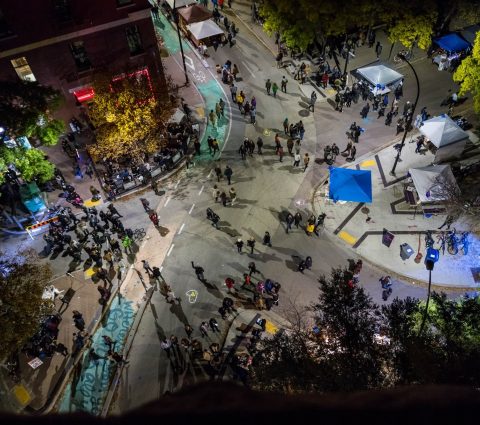
The sculpture will make you stop and take note... and what's better than during a brisk walk with a hot beverage in tow. And that’s exactly the purpose of Education is the New Bison at The Forks. The iron bison constructed of books is an installation that rests at the entry to Niizhoziibean. This is a natural area that includes The Gathering Space, a teaching lodge, built by Indigenous craftspeople and based on a tradition of raising temporary shelters for ceremonies. Visitors are also invited to rest a while at The Peace Meeting interpretive site along the Broadway Promenade pedestrian pathway where the shared elements of two cultures are showcased. These new additions build on The Oodena Celebration Circle that has long been a significant and beautiful attraction within The Forks with sculptures, a sundial, interpretive signage, a naked eye observatory and a ceremonial fire pit. Access this experience while walking, skating or biking through The Forks.

Or take a guided tour with Turtle Tours, an Indigenous-led company offering walking tours and culinary experiences. Public and group tours can be booked in advance through their website or by visiting them in the Explore Indigenous space at The Forks. Options include either a 45 minute tour or the 60 minute tour which includes a visit to the Agowiidiinan Centre for an in-depth look at treaty relations and the history of First Nations people, their laws, culture and customs. “Taste of Survival” is a one-hour food-focused cultural tour rooted in survival, story and resilience. Guests can book it as an add-on to their walking tour or separately.

don't hibernate, celebrate

If you listen closely to the wind in the third week of February you can hear it whisper the Voyageur song (oui, oui, oui!). And if you follow the call into the Winnipeg neighbourhood of St. Boniface, you’ll find Western Canada’s largest winter festival. Festival du Voyageur has been celebrating francophone Métis culture, and embracing Winnipeg winters, for over 50 years. Smell the outdoor bonfires, listen to the clack of the Red River Jig danced on a wooden stage, taste the sweetness of la tire and marvel at the detailed ice sculptures created by artists from around the world. These iconic parts of the festival continue to draw crowds, but if you think you’ve done it all at Festival du Voyageur, think again.

Where the spirit sits

The Bannock Point Petroforms in Whiteshell Provincial Park echo the shapes of humans and snakes, birds and turtles, all carefully arranged with moss-covered rocks on Canada’s Precambrian shield. Diane Maytwayashing knows them well. The Anishinaabe knowledge keeper takes visitors on guided walks of the sacred site, sharing stories of the teachings and healings that continue to this day through ceremony and song. Visitors learn about the original name of the site—Manidoo-Abi—that loosely translate into ‘where the spirit sits.’ Book your visit at whiteshellpetroforms.com and prepare to be moved.

Following the Flow of History

For generations, Indigenous Peoples followed the Winnipeg River as a vital route for trade, gathering and moving with the seasons. Its waters wind through eastern Manitoba’s boreal forest and rugged Canadian Shield before reaching Lake Winnipeg. With the westward push of European exploration and the fur trade, settlers built homes along its banks, forming communities that drew prosperity from the river’s rich resources.

Today, the Winnipeg River Heritage Museum in St-Georges brings these stories to life. Through immersive exhibits and hands-on displays, visitors can trace the evolution of this storied waterway, from Indigenous and Métis histories to early trading posts, missionary settlements and the rise of hydroelectric power that reshaped the river forever.

Dog gone fun in Churchill

Whether you’re a dog person or not, you’ll fall in love with Rea, Comet, Raven and the rest of the team at Wapusk Adventures. Dog carting happens in summer, but it's the cold weather of winter that these canines live for. Musher Dave Daley’s love of his dogs, family and land run deep as he shares his adventures of running the Hudson Bay Quest race and caring for his beloved beasts. Visitors hop aboard a traditional sled and whoosh through the wilderness on an exhilarating ride called the Ididamile—a take on the annual famous Iditarod race in Alaska.

Northern adventures await

Tiffany Spence knows Churchill. As the force behind Beyond Boreal Expeditions, she guides visitors to The Flats, Cape Merry, Miss Piggy, the MV Ithaca and all the other sites that locals know best, in search of quintessential northern winter scenes. The skies dance with otherworldly northern lights and photo buffs might get lucky with a polar bear wandering by in the fall. And then there are the Churchill sunsets—no two the same—casting an ethereal glow over the land.

Original blog written by Shel Zolkewich.

About The Author

Hey! I'm Allison, outdoor adventurer and book lover. When I'm not writing, you'll find me hiking, skating or skiing Manitoba's trails. Have a story idea? Contact me!

Team Lead, Marketing – Content