Why the Canadian Museum for Human Rights Is Worth a Return Visit

Posted: November 02, 2026 | Author: Anna Schaible-Schur | Estimated Read Time: 10 minutes

Living in Winnipeg, I've had the privilege of visiting the Canadian Museum for Human Rights more than once. Yet, with galleries spanning several floors and stories exploring human rights around the world, I certainly can't say I've experienced everything it has to offer. New and reimagined exhibitions also offer reasons to return. On my latest visit, I came away with a question I hadn't expected to be thinking about: How can I be a better ancestor to future generations?

What to Know Before You Visit

  • The Canadian Museum for Human Rights (CMHR) is located at The Forks in downtown Winnipeg.
  • Permanent galleries, changing exhibitions, films and interactive experiences explore human rights through stories from Canada and around the world.
  • At the Knees of Our Ancestors explores early Black history in Canada, while Reclaiming Power and Place honours Indigenous women, girls and Two‐Spirit people’s strength, presence and rights to safety and justice.
  • Plan for several hours at the museum, with time to visit the Tower of Hope and enjoy a meal at Bistro Boréal or a beverage at Cloud Coffee.
  • Extend your visit with Indigenous-led tours, local shops and outdoor experiences at The Forks.

Returning to a Familiar Winnipeg Landmark

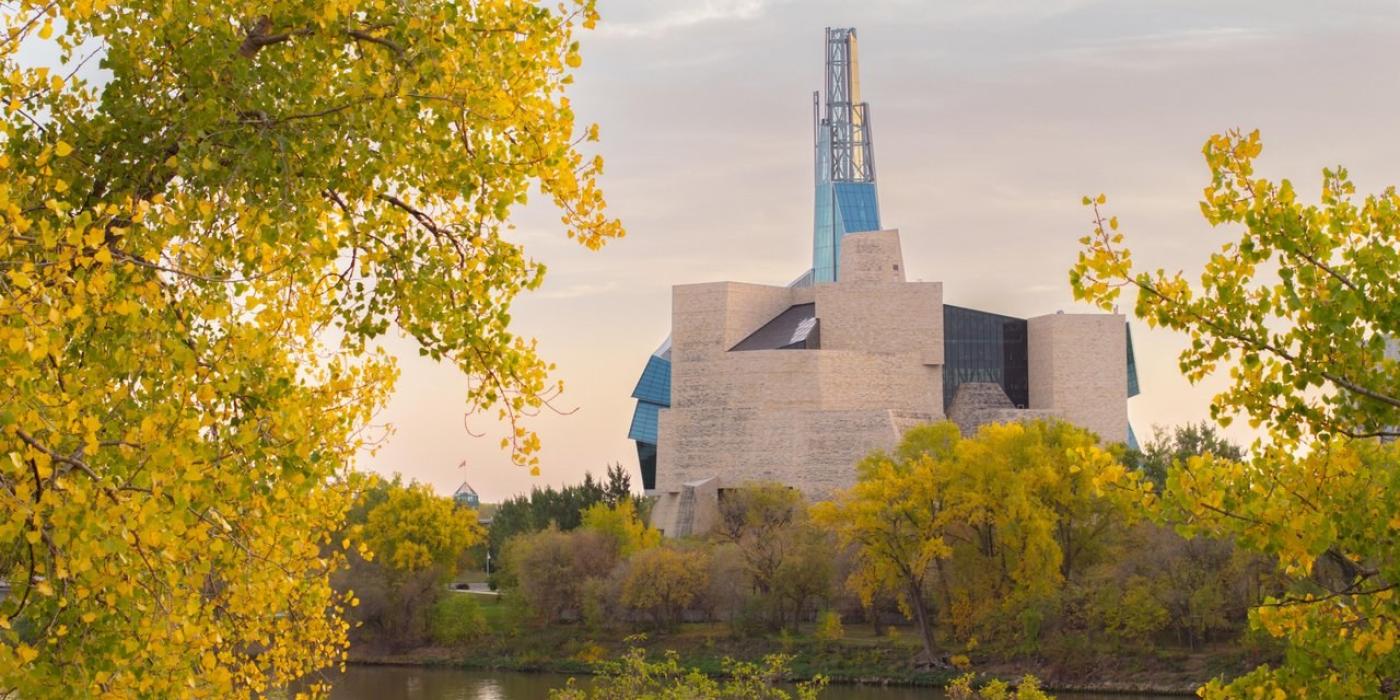
The Canadian Museum for Human Rights is one of Winnipeg's most recognizable landmarks (it’s even featured on the back of the $10 Canadian bank note). The striking glass exterior rises above The Forks, where the Red and Assiniboine rivers meet to at a gathering place that has been important to Indigenous Peoples for thousands of years.

I've always been impressed by the museum's architecture. There's a sense of awe that reminds me of entering a grand cathedral or castle, yet this building has a character that’s entirely unique. Nearly a kilometre of glowing alabaster-clad ramps connects the galleries, leading to the Tower of Hope and its sweeping views of the city.

On this visit, I noticed something before I entered the first gallery. While waiting to get my ticket, I overheard visitors from different parts of the world preparing to explore the museum. It was a hopeful introduction to my day. Here were people of different backgrounds, gathered in one place to learn about human rights.

The museum doesn't shy away from difficult histories. Its exhibitions address injustice, discrimination and the work of people who have fought for their rights. As visitors, we have opportunities to learn about these experiences and carry those lessons into conversations and actions beyond the museum.

Having explored the CMHR before, I wanted to focus this visit on a few new and reimagined exhibitions. I also made time for some familiar spaces that continue to leave an impression on me.

Exploring New and Reimagined Exhibitions

At the Knees of Our Ancestors: Understanding Early Black History in Canada

When you think about Canada's role in Black history, the Underground Railroad might be one of the first things that comes to mind. But how much do you know about the history of enslavement within Canada itself?

At the Knees of Our Ancestors, a new permanent exhibition in the Canadian Journeys gallery on Level 2, explores this often-overlooked chapter of Canadian history alongside the experiences of early Black individuals and communities.

This was my first time experiencing the exhibition and one of the features that caught my attention was an interactive picture frame. Visitors can choose from a selection of short films sharing different stories, including the history of enslavement in Canada and the experiences of Black Canadians who made their way to Winnipeg. The films bring individual lives and experiences into focus, connecting a wider national history to the city I call home.

The exhibition is the first phase of the museum's larger Ancestors Project, an ongoing initiative developed through community research and collaboration to bring more Black histories and perspectives into the museum.

Inspired by the family home, the exhibition incorporates domestic furnishings, historical objects, heirlooms and film projections. Its design grew out of curator Alia Aluma's conversations with Black families and communities across Canada, who welcomed her into their homes and shared stories and treasured objects passed down through generations.

I appreciated this approach to storytelling. The interactive films and familiar setting gave me opportunities to engage with the people behind historical events, including stories rooted here in Winnipeg.

By expanding the familiar Underground Railroad narrative, At the Knees of Our Ancestors encourages visitors to learn about a more complete history of Canada, including the experiences of Black Canadians whose lives and contributions have not always received the attention they deserve.

Reclaiming Power and Place: Art, Memory and Indigenous Strength

One of the exhibitions I was particularly interested in revisiting was the museum's reimagined presentation addressing the ongoing crisis of missing and murdered Indigenous women, girls and Two-Spirit people.

Located in the Canadian Journeys gallery, Reclaiming Power and Place: Indigenous Women and Their Rights to Safety and Justice features Only in Darkness Can We See the Stars, an installation by Red River Métis artist Jaime Black-Morsette and artist KC Adams. Six red dresses surround a central white dress representing Sky Woman, a figure of sacred power. Behind them, patterns inspired by birchbark biting, an Indigenous art form, represent the spirits of lost matriarchs. Beneath Sky Woman, stones takes the shape of a turtle, a reference to Turtle Island.

I have a piece of birchbark biting artwork at home, so encountering the art form within this installation brought a personal connection to the experience. The familiar patterns took on another meaning alongside the dresses and the stories they represent. Clay handprints on two of the red dresses caught my attention. It made me think about the people affected by the ongoing crisis, including families and communities still searching for answers and justice. The handprints were a reminder that this is not simply a chapter of history. These human rights violations continue to affect people today.

The artwork builds on The REDress Project, which began in 2010 to raise awareness of missing and murdered Indigenous women, girls and Two-Spirit people. Alongside remembrance, the installation centres Indigenous women's leadership, cultural identity and continued presence in their communities.

The exhibition also introduces visitors to the National Inquiry into Missing and Murdered Indigenous Women and Girls and its 231 Calls for Justice, including actions Canadians can take to educate themselves, listen to affected families and communities and speak out against violence and discrimination. It's an important reminder of the responsibility we share in working toward a future where everyone's rights to safety and justice are respected.

Trace: Honouring the Hands That Came Before Us

Another artwork I return to during my visits to the museum is Trace, a large-scale clay and steel installation by Rebecca Belmore.

Located in the Indigenous Perspectives gallery, the artwork honours the original inhabitants of the land on which the museum stands. Thousands of small clay pieces cascade down the wall, forming a sweeping installation. The clay came from beneath Winnipeg and the individual pieces carry the handprints of local children and adults who participated in the artwork's creation.

For me, the scale of Trace is striking, but it's the individual handprint beads that leave the strongest impression. Each piece represents someone's participation in a collective work honouring the land and the generations who have lived here. Because of that, I always take time to appreciate the artwork when I visit.

Trace connects the people who have shaped Winnipeg to those who will continue its story.

Stories of Change in Film

The museum's Inspiring Change gallery on Level 7 explores how people can contribute to positive social change.

During my visit, I spent time watching a series of short films featuring different voices and experiences. I enjoyed the variety of storytelling styles and the opportunity to hear several perspectives within a relatively short viewing experience. I recognized some of the musicians featured, including Canadian indie-pop duo Tegan and Sara.

One film, featuring Indigenous hip-hop group Snotty Nose Rez Kids, left me with a thought that connected much of what I had experienced that afternoon. In the film, the rapper Darren "Young D" Metz mentioned: “We're trying to be good ancestors right now.”

That quote stayed with me as I continued through the museum. Throughout my visit, I had been thinking about the people who fought for rights that many of us benefit from today, the injustices people continue to face and the progress still needed. The idea of being a good ancestor brought those thoughts together. What actions can we take today that will improve the lives of generations to come?

It was a meaningful way to finish exploring the galleries before heading up to the Tower of Hope.

More Than the Exhibitions: Architecture, Art and Conversation

One of the things I appreciate about the Canadian Museum for Human Rights is how the building gives visitors opportunities to process what they've learned. Some of the stories are difficult to encounter, particularly those that reveal how people have been denied their rights throughout history. I think it's important to acknowledge that discomfort and consider what it tells us about our understanding of the world.

The Holocaust displays, for example, always leave me with a great deal to think about. Between galleries, the alabaster ramps provide space to reflect and talk with the people you're visiting. Some of the most impactful conversations I've had at the museum have happened on the ramps, as my group and I discussed what we'd learned about justice, reconciliation and human rights.

Those conversations are part of the experience I value most. They give us opportunities to consider perspectives beyond our own and think about what we can do with the knowledge we've gained.

Visiting the Canadian Museum for Human Rights for the First Time

If you're visiting Winnipeg or planning your first trip to the CMHR, I'd recommend setting aside several hours to explore. My latest visit lasted a couple of hours, but you could spend longer depending on which galleries and films interest you.

The museum spans multiple levels, with permanent and changing exhibitions covering a wide range of human rights topics. Elevators offer an alternative to the ramps for travelling between exhibits. You can explore independently or consider a guided experience for additional context. The museum also offers a complimentary coat check with admission, which I was grateful for during my October visit.

Coffee and Lunch at the Museum

You don't have to leave the museum to enjoy a good meal or drink.

During my visit, I stopped at Cloud Coffee on Level 5 for an iced coffee. Located within the museum's glass cloud, the café is surrounded by expansive windows that fill the space with natural light. It's a lovely place to enjoy a treat between exhibitions. Keep in mind that food and drinks aren't permitted in the galleries or on the ramps, so leave time for your beverage at the café before continuing your visit.

For lunch, I'd recommend Bistro Boréal on Level 1. Operated by WOW Catering, the restaurant offers a sophisticated yet welcoming dining space, along with an outdoor patio during warmer weather. I ordered the weekly special, a delicious charred tofu bowl with mango, cabbage, radishes and cucumber. The menu features rotating specials, so there may be something different to try when you visit.

Bistro Boréal is generally open Tuesday to Saturday from 11 a.m. to 4 p.m., while Cloud Coffee is open Tuesday to Sunday from 10 a.m. to 4:30 p.m.

Make a Day of It at The Forks

By the time I finished exploring the museum, it was afternoon and The Forks Market was meters away. The museum's central location makes it convenient to pair your visit with other cultural experiences, local shops and outdoor spaces in downtown Winnipeg.

Connect With Indigenous History and Culture

The Forks has been a meeting place for Indigenous Peoples for more than 6,000 years and Indigenous-led experiences provide opportunities to learn about the area's history and continued cultural significance.

Inside The Forks Market, visit Explore Indigenous, a space operated by Indigenous Tourism Manitoba. Visitors can browse Indigenous-made art and gifts while learning about tourism operators, cultural experiences and artisans across the province.

You can also book an experience with Turtle Tours, an Indigenous owned and operated tourism company. Their guided walking tours introduce visitors to the area's Indigenous history, including Treaty relationships, trade routes and The Forks' significance as a gathering place.

These options are a meaningful way to continue learning about the land and communities connected to the place you've spent the day exploring. Consider booking your tour in advance to coordinate with your museum visit.

Explore Local Shops and Outdoor Spaces

The Forks Market and Johnston Terminal are home to local shops offering Manitoba-made goods, clothing, art and gifts. After browsing, explore the paths along the Red and Assiniboine rivers. The surrounding green spaces, public art and historic sites offer opportunities to enjoy the outdoors and learn more about Winnipeg.

Visit Oodena Celebration Circle, explore The Forks National Historic Site or follow one of the area's self-guided experiences for additional historical context. The Forks also hosts cultural events, markets, performances and seasonal activities throughout the year. Check its online event calendar before your visit to find out what's happening.

Plan Your Visit

The Canadian Museum for Human Rights is located at 85 Israel Asper Way in Winnipeg, right beside The Forks Market.

The museum is generally open Tuesday through Sunday from 10 a.m. to 5 p.m., with occasional changes for holidays and special events. Admission is free on the first Sunday of every month and Indigenous Peoples receive free admission. The museum also offers complimentary general admission for people accompanying a person with a disability.

Before heading out, check the museum's hours and admission information for current prices and exhibition availability. You can also review its visitor information for accessibility services and guidance on navigating the building. If you're visiting from outside Winnipeg, consider dedicating a full day to the museum and surrounding attractions at The Forks.

A Museum Worth Returning To

At the beginning of my visit, I felt hopeful hearing the conversations of travellers arriving from around the world and encountering a gallery full of people engaging with human rights stories. By the end of the afternoon, the words I'd heard in the Inspiring Change gallery had given that feeling a clearer direction: How can we be good ancestors to the generations that follow us?

The museum reminds me that many of the rights I benefit from today exist because people before us challenged injustice, advocated for change and refused to accept the world as it was. It also reminds me that progress isn't guaranteed. There are human rights challenges that demand our attention today and each of us has a role in deciding how we respond.

I appreciate having the Canadian Museum for Human Rights in my home city because each visit gives me opportunities to revisit these questions, engage with different stories and learn from the people whose experiences fill its galleries.

If you've visited before, consider returning to explore the updated exhibitions or spend more time with a subject that interests you. And if you're planning your first trip to Winnipeg, I'd encourage you to include the museum in your itinerary. You never know which story might stay with you or what conversation it might inspire.

Plan your visit to the Canadian Museum for Human Rights and explore more of Winnipeg's arts, culture and history.

You May Also Enjoy

Spa Days and Cozy Nights at Inn at the Forks

Right in the middle of Winnipeg’s most iconic gathering place, Inn at the Forks is made for slowing down together. From the moment you check in, the pace of the city seems to fade and you are left with time to reconnect. It is the kind of spot where you...

Ways to Cruise the Nestaweya River Trail in Winnipeg

Winter in Winnipeg opens up in a big way on the Nestaweya River Trail. Where the Red and Assiniboine Rivers meet, the ice becomes a shared pathway for gliding, riding, wandering and warming up along the way.Here are a few ways to cruise it this season.
4 Ways to Explore the Canadian Museum for Human Rights on Your Own

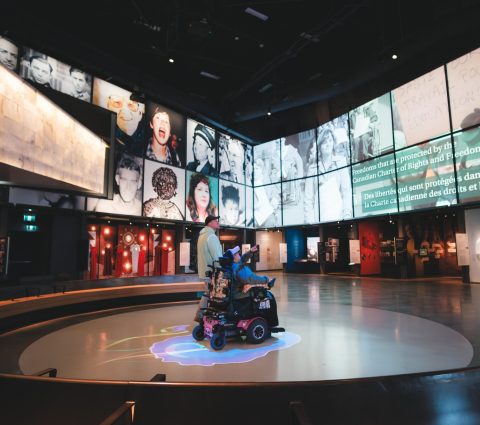
Not sure where to start at the Canadian Museum for Human Rights? Let your interests lead the way. With 10 galleries across seven levels connected by glowing alabaster ramps, this Winnipeg landmark rewards visitors who explore at their own pace.

Accessibility in Manitoba: Where to Find Experiences for All Kinds of Travellers

Manitoba is building a more welcoming province – one museum, beach and trail at a time. This guide is for travellers who need a little more from a destination: ramps that help you get where you want to go, sensory supports that make a busy venue feel...

About The Author

Hi! I’m Anna, an art-loving, book-browsing, trail-running adventurer with a soft spot for Manitoba's wild beauty. I'm always exploring new ways to share what our province has to offer. Get in touch by sending me an email.

Content Marketing Specialist